There is a moment that most travelers who visit Yogyakarta never forget.
It usually happens while wandering through the historic streets of Kotagede, discovering traditional Javanese architecture and the intricate silver craftsmanship that has defined this neighborhood for generations. Or it happens at night, watching a hundred dancers tell the story of Rama and Sita against the illuminated backdrop of Prambanan, all without speaking a single word.
Whatever form it takes, the moment always carries the same feeling: I have never experienced anything quite like this before.
This is what Yogyakarta cultural tourism delivers, and why it continues to draw millions of foreign visitors every single year. This guide will take you beyond the postcard views into the living, breathing culture of the city Indonesians call the Heart of Java, plus practical tips to make your visit as seamless as possible, from the first temple to the last bowl of gudeg.
Why Yogyakarta Is Southeast Asia's Cultural Crown Jewel
Yogyakarta, or Jogja, as locals call it, occupies a unique position in Indonesia. It is the only city in the country still led by a reigning Sultan: Sri Sultan Hamengkubuwono X, who simultaneously holds the position of Governor of the Special Region of Yogyakarta. This is not a ceremonial role. The Sultan actively presides over the preservation of Javanese culture, and his influence shapes everything from annual royal ceremonies to city planning.
The city is home to Prambanan, a UNESCO World Heritage Site, Indonesia's most vibrant community of batik artisans and traditional craftspeople, active royal court traditions including gamelan music, Javanese classical dance, and wayang kulit shadow puppetry performed live every week, and dozens of art villages and cultural kampungs open to visitors year-round.
For foreign visitors seeking authentic cultural immersion, Yogyakarta is not just a destination. It is an education.
The Top Cultural Spots in Yogyakarta for Foreign Visitors
1. Keraton Ngayogyakarta Hadiningrat, The Living Royal Palace
The Keraton (Javanese for "royal palace") is the spiritual and cultural heart of Yogyakarta. Built in 1755 by Sultan Hamengkubuwono I, this sprawling complex is simultaneously the Sultan's official residence, a royal museum, and a living center of Javanese art and ceremony.
Unlike most royal palaces around the world that function purely as museums, the Keraton is genuinely alive. Every morning from 9 AM to 11 AM, visitors can watch free traditional performances, rotating daily between gamelan music, classical Javanese dance, wayang kulit shadow puppetry, and macapat (traditional Javanese sung poetry). The schedule changes every day, which means no two visits are quite the same.
Practical info: Open Monday to Sunday (closes earlier on Fridays at 11 AM). Dress modestly; shoulders must be covered. Sarongs are provided at the entrance. Entry fee: approximately IDR 15,000–20,000 (under $2 USD). English-speaking guides are available on-site.
2. Kotagede, Yogyakarta's Historic Silver Heritage
For visitors seeking an authentic cultural experience within Yogyakarta, Kotagede offers a fascinating glimpse into the city's royal past and traditional craftsmanship.
Once the capital of the Mataram Sultanate, Kotagede is known for its historic architecture, traditional Javanese houses, and long-standing silver industry. Visitors can explore its heritage streets, admire traditional buildings, and visit local workshops to see artisans create intricate silver jewelry and decorative pieces.
Beyond its craftsmanship, Kotagede offers a quieter side of Yogyakarta, where historic landmarks and everyday community life exist side by side. It is an ideal destination for travelers interested in exploring the cultural traditions that continue to shape the city today.
Practical info: Located in southeastern Yogyakarta, approximately 5–7 km from the city center, depending on the route. Visitors can explore the heritage neighborhood and silver workshops, with opening hours varying by establishment. Consider combining a visit with a local food stop or a walk through the historic streets.
3. Prambanan Temple, The Hindu Marvel of Java
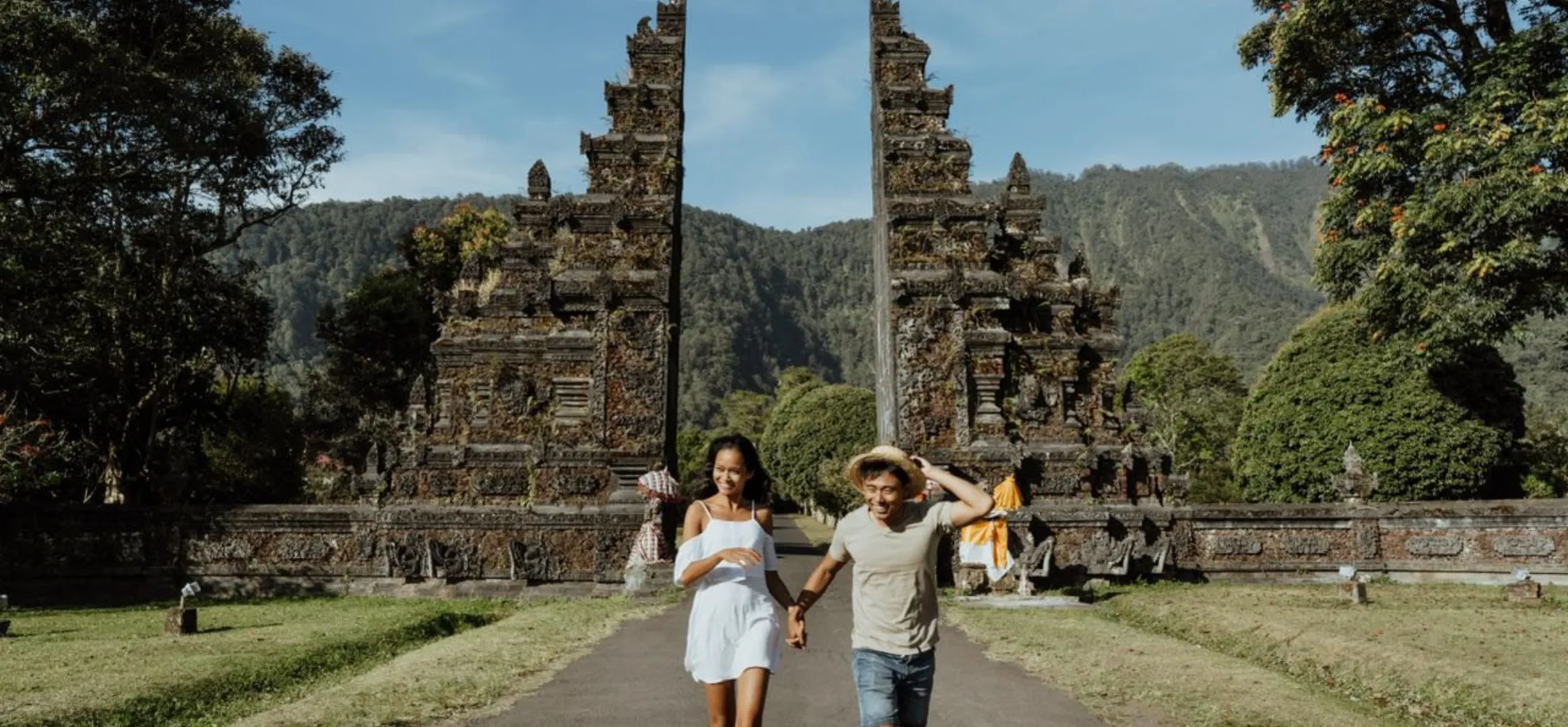
If Kotagede represents the height of traditional Javanese craftsmanship in Yogyakarta, Prambanan represents its Hindu counterpart. This extraordinary complex, the largest Hindu temple site in Southeast Asia, was built in the 9th century and features three towering main shrines dedicated to the Trimurti: Brahma the Creator, Vishnu the Preserver, and Shiva the Destroyer. The main Shiva temple reaches 47 meters in height, with every surface covered in intricate bas-reliefs narrating the Ramayana epic.
But the experience that foreign visitors remember most is not the temple itself; it is the Ramayana Ballet, performed on an open-air stage with Prambanan as its backdrop. This spectacular performance brings the ancient Ramayana epic to life through hundreds of Javanese classical dancers, gamelan music, and theatrical stage design, all without a single spoken word. The story is told entirely through movement, expression, and music.
During the dry season (May–October), the performance takes place on the outdoor stage, with the illuminated temple rising dramatically behind the dancers.
Practical info: Book Ramayana Ballet tickets well in advance during peak periods. Location: 17 km from central Yogyakarta (approximately 30 minutes). Consider combining the afternoon temple visit with the evening performance.
4. Taman Sari Water Castle. Where Royal History Meets Hidden Labyrinth
Built in the 18th century as a private retreat for the Sultan, Taman Sari ("Fragrant Garden") is one of the most architecturally fascinating sites in Yogyakarta. This royal garden complex features bathing pools fed by natural springs, atmospheric underground tunnels, meditation chambers, and watchtowers, all within a walled compound that blended Javanese, Portuguese, and European design influences in a way found nowhere else in Indonesia.
Surrounding Taman Sari is the Taman Sari Art Village (Kampung Wisata), a living neighborhood of batik artisans where you can watch craftspeople at work and purchase genuine handcrafted batik directly from the makers, at far more honest prices than the tourist shops along Malioboro.
5. Malioboro Street & Beringharjo Market, The Cultural Pulse of Jogja
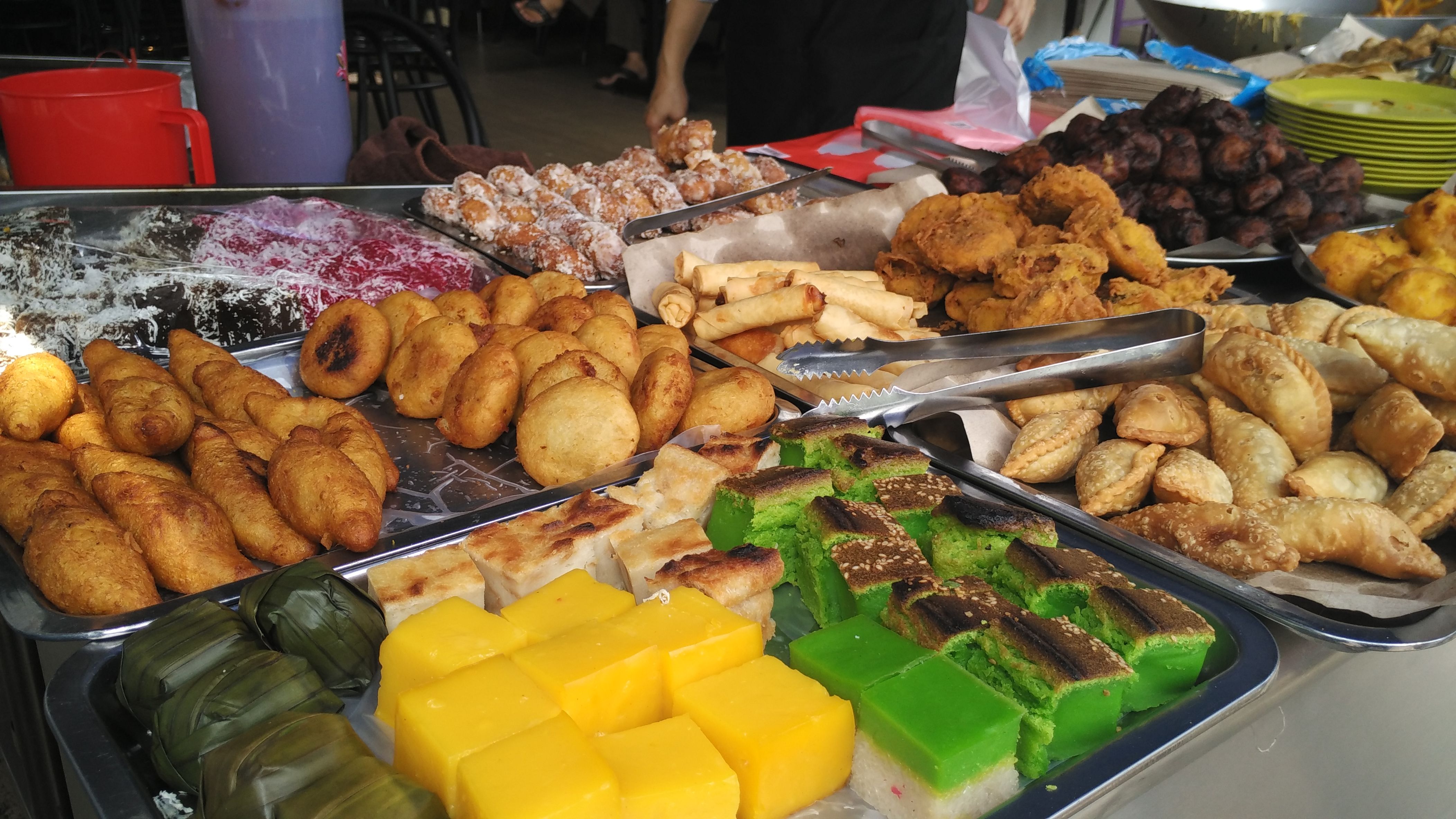
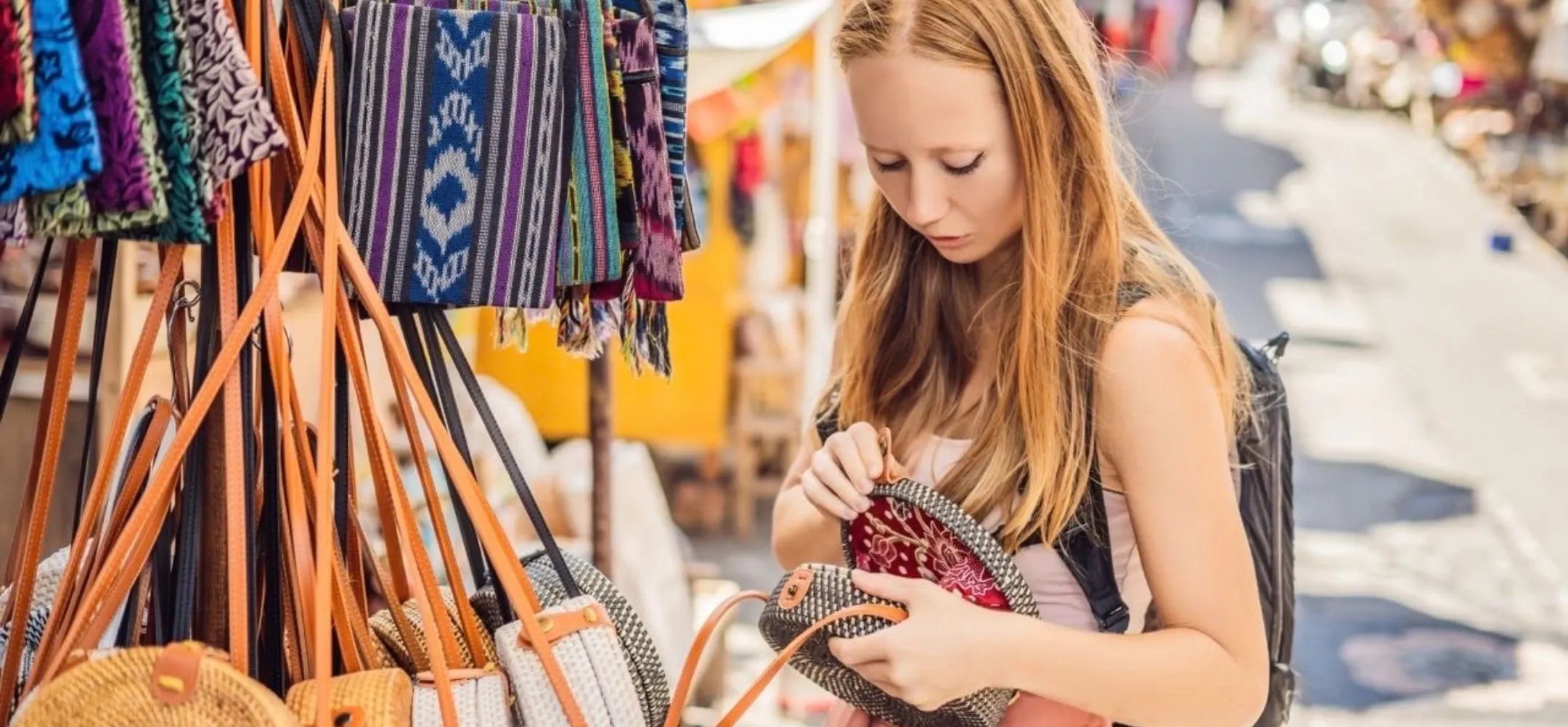
No visit to Yogyakarta is complete without spending time on Jalan Malioboro, the city's most iconic street and a permanent living exhibition of Javanese commerce and creativity. Lined with vendors selling batik, silver jewelry, leather wayang puppets, blangkon (traditional Javanese hats), street food, and handmade crafts, Malioboro is simultaneously overwhelming and addictive.
At the southern end of Malioboro sits Pasar Beringharjo, Yogyakarta's oldest and largest traditional market, operating continuously since 1758. This is the city's primary batik trading hub, with hundreds of stalls selling everything from mass-produced batik printing to exquisite hand-drawn batik tulis that can take a skilled artisan weeks to complete.
Shopping guide: Batik tulis (hand-drawn) is the most valuable and time-intensive. Batik cap (stamp method) sits in the middle range. Batik printing (machine-made) is the most affordable. Bargaining is expected and culturally normal; approach it as a friendly exchange. Visit before 10 AM for the best selection.
Immersive Cultural Experiences: Participate, Don't Just Observe
Batik Workshop, Create Your Own Wearable Art
Yogyakarta is one of Indonesia's most important centers of batik production, and the opportunity to learn this craft firsthand is something you will not find replicated anywhere else in the world.
Workshops range from 90-minute introductory sessions to multi-day intensive courses, and they are widely available across the city.
The process is meditative and absorbing: you sketch a pattern on cloth, trace your design with a canting (a small copper tool that releases hot wax in precise lines), dip the cloth into natural dyes derived from plants, turmeric root for yellow, noni root for warm red, and mangosteen rind for deep purple, and finish with nglorod, where the wax is removed through boiling. What you leave with is not just a piece of fabric. It is a piece of Javanese culture that you made with your own hands.
Gamelan & Classical Javanese Dance, Feel the Rhythm of a Civilization
Gamelan is one of the world's most distinctive musical traditions, an orchestra of bronze instruments (gongs, metallophones, and drums) that produces a shimmering, hypnotic sound unlike anything in Western music. At Sonobudoyo Museum and various cultural centers around Keraton, foreign visitors can join introductory gamelan sessions and learn to play instruments like the gender, saron, or kenong. Classical Javanese dance workshops are similarly available; the slow, extraordinarily precise movements of this art form carry deep philosophical meaning that instructors are eager to share.
Wayang Kulit, A Shadow Puppet Show Unlike Anything Else
Wayang kulit is UNESCO-recognized as an Intangible Cultural Heritage of Humanity.
Performances use intricately carved water buffalo hide puppets to tell stories from the Mahabharata and Ramayana, accompanied by a full gamelan orchestra and sung narration by a dalang (puppeteer-narrator). For foreign visitors who want to experience wayang without the all-night commitment, Sonobudoyo Museum offers shortened performances (2–3 hours) every evening that are specifically designed to be accessible to international audiences.
Practical Travel Guide: Yogyakarta for Foreign Visitors
Best time to visit: April through October (dry season). Outdoor performances at Prambanan run at full capacity, the weather is more predictable, and exploring Yogyakarta's cultural attractions is more comfortable.
Getting around: Renting a motorbike gives you the most flexibility for exploring independently. For an authentic experience within the city center, hire a becak (cycle rickshaw) or andong (horse-drawn carriage). For comfort and convenience across longer distances, book a private car with an English-speaking driver-guide.
Language: Indonesian and Javanese are the primary languages, but English is widely understood at major tourist sites. Learning even a few basic Indonesian phrases, terima kasih (thank you), berapa harganya (how much is it?), and permisi (excuse me), will earn you genuine appreciation from locals.
Budget: Most cultural site entry fees are under IDR 50,000 (around $3 USD). A full meal at a local warung costs IDR 15,000–30,000. Batik workshops typically run IDR 100,000–300,000 for a full session, including materials and your finished piece to take home.
Cultural etiquette: Dress modestly when visiting Keraton and temples (shoulders and knees covered). Ask permission before photographing artisans or performers. Remove footwear when entering sacred spaces.
Ideal duration: Minimum 3–4 days to cover the major sites. Ideal 5–7 days for a full immersive experience, including workshops, a wayang kulit evening, and the Ramayana Ballet.
Making Payments Easy as a Foreign Visitor in Indonesia
One practical reality of traveling in Indonesia is navigating payments, especially when you're moving between temples, art villages, local markets, and restaurants across Yogyakarta in a single day.
For international travelers, DANA makes everyday payments easier while exploring Indonesia. Visitors can sign up using their overseas phone number and link their international bank card to enjoy smoother transactions throughout the trip, with no Indonesian bank account required.
Whether you're paying entry fees at Prambanan, buying hand-drawn batik tulis from an artisan at Pasar Beringharjo, settling the tab after a bowl of gudeg on Malioboro, or booking your Ramayana Ballet tickets, DANA simplifies every transaction so you can stay focused on what actually matters: discovering the living culture of Yogyakarta.
The experience of Javanese culture is best savored when your attention is fully on it, not spent fumbling with cash exchanges or hunting for ATMs between destinations.
Planning to explore Indonesia's cultural richness? Download DANA before your visit and enjoy a more convenient travel experience from the moment you land.
FAQ — Yogyakarta Cultural Tourism
What are the best cultural tourism spots in Yogyakarta for foreign visitors? Keraton Ngayogyakarta Hadiningrat, Kotagede, Prambanan Temple, Taman Sari Water Castle, Malioboro Street, and Beringharjo Market. Immersive experiences like batik workshops, gamelan lessons, and wayang kulit performances are highly recommended for a deeper cultural experience.
When is the best time to visit Yogyakarta for cultural tourism? April through October (dry season). Outdoor performances at Prambanan run at full capacity, the weather is more predictable, and exploring Yogyakarta's cultural attractions is more comfortable.
How much does it cost to visit cultural sites in Yogyakarta? Most cultural sites are very affordable, with entry fees ranging from IDR 15,000 to 50,000 (approximately $1–3 USD). Batik workshops typically cost IDR 100,000–300,000, including materials and your finished piece to take home.
Are there English-friendly batik workshops in Yogyakarta? Yes, many workshops in Yogyakarta offer instruction in English. Top recommendations include Batik Seno in southern Yogyakarta and the workshops within the Taman Sari Art Village. Sessions range from 90 minutes to multi-day intensive courses.
Can foreign visitors use DANA for payments in Yogyakarta? Yes. Foreign visitors can sign up for DANA using an overseas phone number and link an international bank card, with no Indonesian bank account needed. DANA can be used across Yogyakarta's cultural sites, markets, restaurants, and more, making it one of the most convenient payment options for international travelers in Indonesia.
What is the Ramayana Ballet at Prambanan, and how do I see it? The Ramayana Ballet (Sendratari Ramayana) is a spectacular open-air dance performance staged against the illuminated backdrop of Prambanan Temple, telling the Ramayana epic through hundreds of Javanese classical dancers and live gamelan, without a single word of dialogue. During the dry season (May–October), performances run on the outdoor stage. Tickets can be booked online, and advance booking is strongly recommended during peak travel periods.
Final Thoughts: Yogyakarta Is a Culture That Is Still Alive
The thing that separates Yogyakarta cultural tourism from most other destinations in the world is not the age of its monuments or the beauty of its temples; it is the fact that the culture is not preserved. It is practiced.
The gamelan players at Keraton are not performing for tourists. They are maintaining a tradition. The batik artisan in the village near Taman Sari is not putting on a demonstration. She is doing her work. The dalang who performs wayang kulit from 9 PM until 5 AM is not recreating something historical. He is continuing something unbroken.
For the foreign visitor willing to slow down and pay attention, Yogyakarta offers something increasingly rare: a civilization that is genuinely, stubbornly, beautifully still here.
Plan your trip, explore every corner of Jogja, and let DANA handle the transactions, so you can stay fully present for every moment that matters.