Shopping in Bali is a great way to bring home something that reminds you of your trip. Beyond the typical tourist souvenirs, Bali has a wide range of locally made products, from handmade crafts and textiles to coffee, natural beauty products, and traditional items.
If this is your first time visiting Bali, knowing what to buy and where to look can make souvenir shopping easier. Whether you are looking for a small gift, something practical, or a unique piece from a local maker, there are plenty of options to explore.
What Are the Best Souvenirs to Buy in Bali?
Bali is known for its arts and crafts, but souvenirs are not limited to decorative items. You can find products that reflect local traditions as well as things that are easy to pack and give as gifts. Here are some popular options to consider:
Handmade Crafts
Handmade crafts are among the most recognizable souvenirs from Bali. Depending on where you shop, you may find wooden carvings, woven baskets, ceramics, decorative pieces, and other handmade items. If you want something that feels more personal, look for products made by local artisans rather than mass-produced souvenirs.
Balinese Textiles
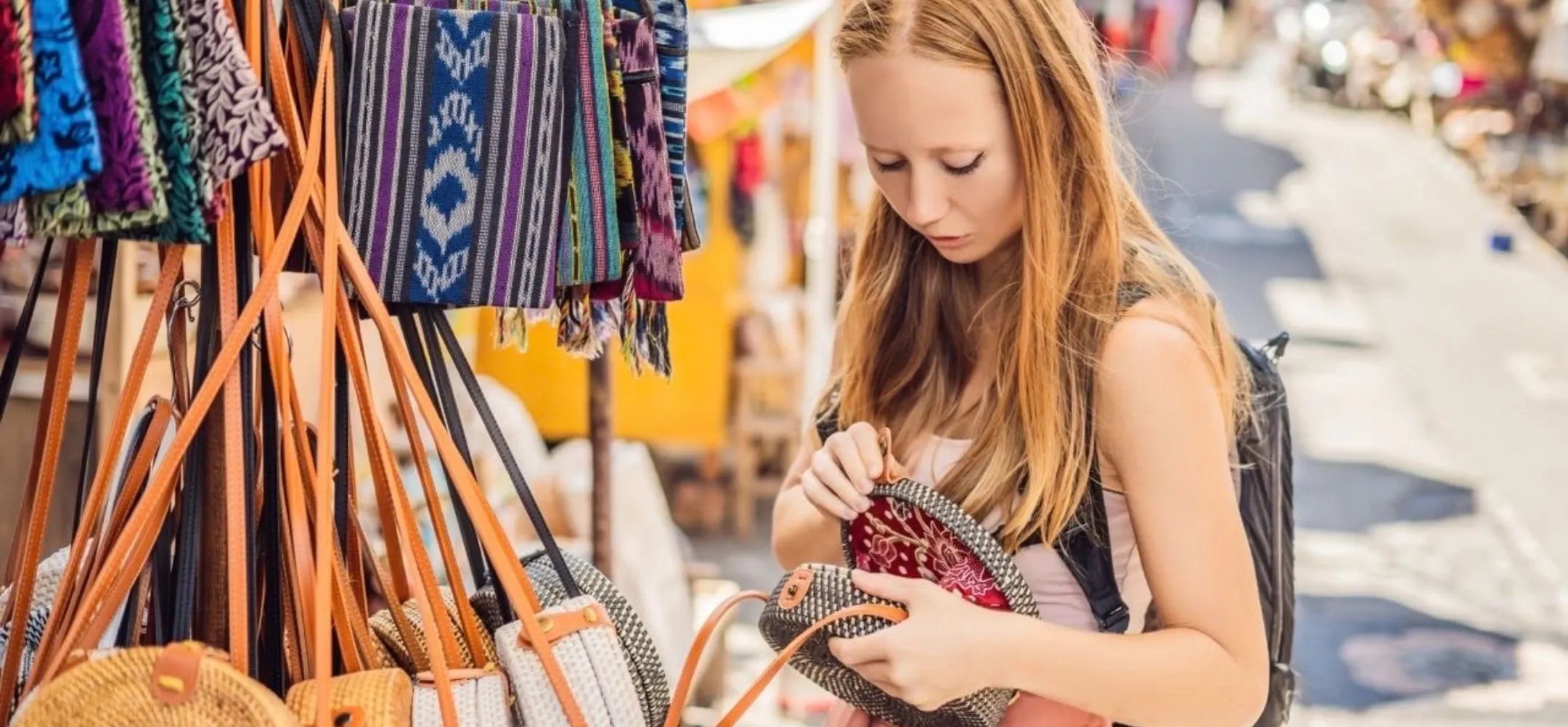
Traditional textiles can make meaningful souvenirs and are available in different patterns, colors, and sizes. Batik is made in many parts of Indonesia, while Bali also has its own textile traditions and weaving techniques. Scarves, small pieces of fabric, and other lightweight textiles can be practical choices if you want something that fits easily into your luggage.
Bali Coffee
Indonesia is well known for its coffee, and Bali is one of several Indonesian regions with a strong coffee-growing tradition. Coffee from areas such as Kintamani is a popular choice for travelers who want an edible souvenir. Packaged coffee is also relatively easy to bring home, although you should check your destination country's customs regulations before traveling with food products.
Local Snacks and Food Products
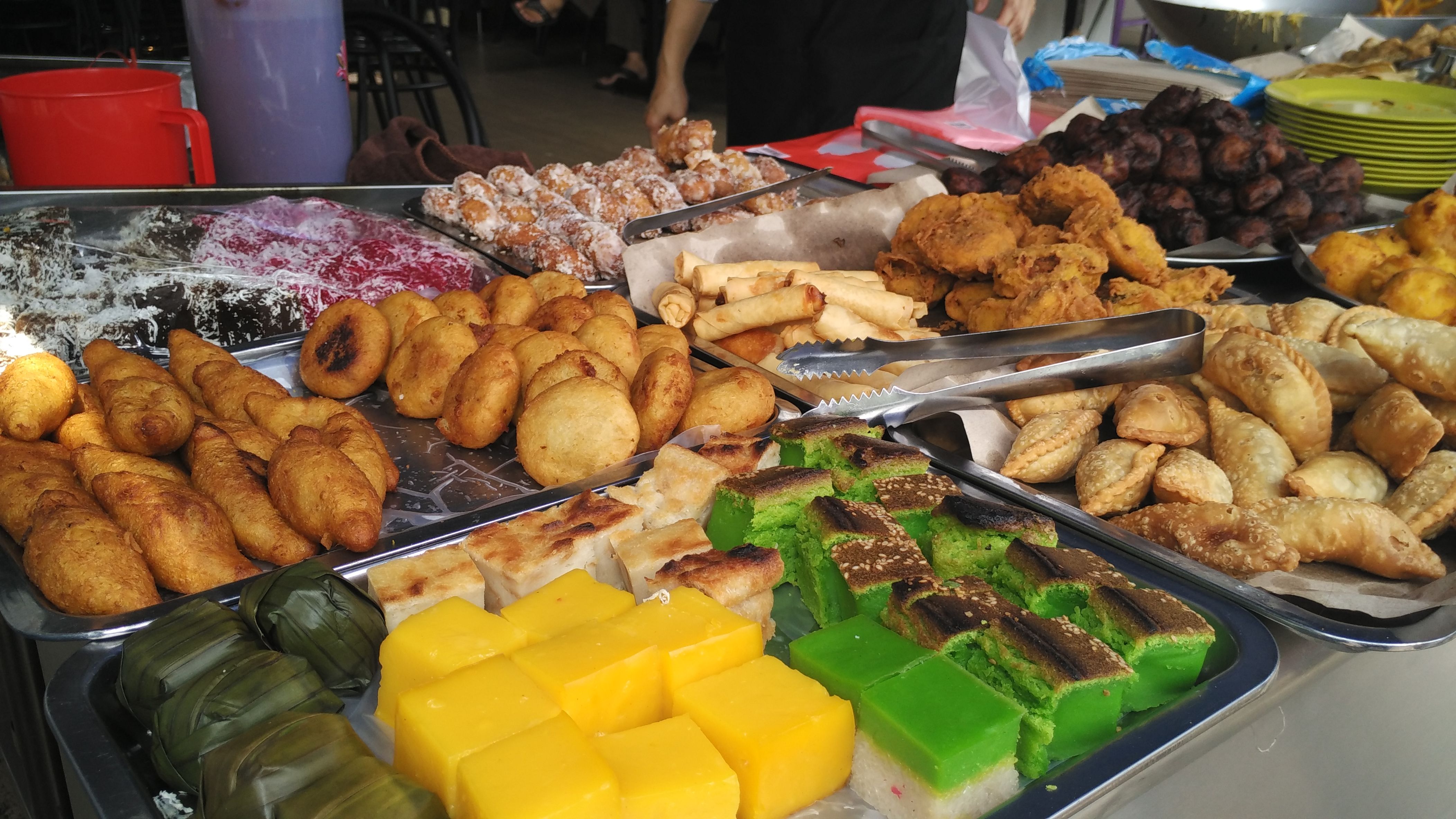
Packaged snacks, spices, sweets, and other food products can be good options for friends and family. Look for sealed products with clear ingredient and expiration information, particularly if you are taking them on an international flight.
Natural Beauty and Wellness Products
Bali has many shops selling soaps, body care products, essential oils, and other wellness items. These can be convenient souvenirs because they are usually smaller and easier to pack than larger handicrafts. Before buying, check the ingredients and packaging, especially if you have specific allergies or need to meet airline or customs requirements.
Jewelry and Accessories
Handmade jewelry and accessories are another option, with designs ranging from simple and contemporary to pieces inspired by Balinese traditions. When buying jewelry, ask about the materials and care instructions so you know exactly what you are purchasing.
Where to Shop for Local Souvenirs in Bali
Bali offers different shopping experiences depending on where you go. You can browse handmade crafts in Ubud, contemporary products in Seminyak and Canggu, or explore traditional markets for a more local shopping experience.
The best area to visit depends on what you want to bring home. Some places are better for traditional handicrafts and textiles, while others are more suitable for clothing, homeware, beauty products, and locally made lifestyle goods.
Ubud
Ubud is one of the most popular areas for shopping in Bali, particularly if you are interested in traditional arts, handicrafts, textiles, and locally made products. The area around central Ubud has a mix of traditional markets, art shops, galleries, boutiques, and independent stores.
One of the places to explore is Ubud Art Market, located in the center of Ubud. You can browse items such as woven bags, baskets, clothing, scarves, accessories, handicrafts, and decorative pieces. Since the market is in a busy tourist area, prices can vary, so it is worth looking around different stalls before making a purchase.
Ubud is also a good place to look beyond the traditional souvenir market. Independent shops around the town sell handmade homeware, ceramics, jewelry, natural products, and contemporary designs inspired by Bali. If you are a first-time visitor looking for a combination of traditional souvenirs and modern local products, Ubud is a convenient area to include in your shopping itinerary.
Seminyak
Seminyak offers a more contemporary shopping experience compared with traditional markets. The area is known for boutiques, independent fashion labels, lifestyle stores, homeware shops, and locally designed products.
It is a good area to explore if you are looking for clothing, resort wear, accessories, jewelry, home decorations, or contemporary Bali-inspired products. Many shops have a more curated style, making Seminyak suitable for travelers who want souvenirs that can also be used in everyday life. You will also find a mixture of local and international brands, so take some time to compare stores if you are looking specifically for locally made products. Prices can vary considerably depending on the brand, materials, and craftsmanship.
Canggu
Canggu has a younger and more contemporary shopping scene, with independent brands, boutiques, lifestyle stores, and small local businesses spread throughout the area. This is a useful area to explore if you want something different from conventional tourist souvenirs. You can find clothing, bags, jewelry, accessories, homeware, wellness products, and other locally designed items.
Many stores in Canggu combine Balinese influences with modern designs, so it can be a good option for travelers who want to take home something that feels connected to Bali without being overly traditional.
Because shops are spread across different parts of Canggu, you may want to combine shopping with your other activities in the area rather than expecting everything to be concentrated in one market.
Sanur
Sanur offers a more relaxed shopping experience, with souvenir shops, local businesses, boutiques, and traditional market areas. It can be convenient for travelers staying in Sanur who want to shop locally without spending a full day in one of Bali's busier shopping districts.
You can look for clothing, woven products, small handicrafts, accessories, souvenirs, and local food products. The area is also useful for picking up smaller gifts that are easy to pack before heading home.
For a more local market experience, consider visiting Sindhu Market (Pasar Sindhu). The market is known for its traditional market atmosphere and is also used by locals for everyday shopping. Depending on the time of day, you can find fresh produce and food alongside other local goods.
Traditional Markets in Bali
Traditional markets are worth visiting if you want to experience a different side of shopping in Bali. They are not exclusively souvenir markets, so you may see locals buying everyday food, household items, clothing, and other necessities alongside stalls selling products that visitors may want to take home.
Read also: How to Pay in Bali Without Cash: A Guide to Cashless Payments
For travelers interested in traditional markets, a few places to consider include:
Ubud Art Market
Ubud Art Market is a convenient choice for visitors looking for handicrafts and traditional-style souvenirs in central Ubud. You can browse woven products, textiles, clothing, accessories, and decorative items while exploring the surrounding Ubud area.
Sindhu Market
Sindhu Market in Sanur offers a more everyday local market experience. It is a good option if you want to see how a traditional market operates while also looking for simple local goods and food.
Sukawati Art Market (Pasar Seni Sukawati)
Sukawati Art Market (Pasar Seni Sukawati) in Gianyar is another well-known destination for traditional Balinese handicrafts and souvenirs. It is worth considering if you are specifically looking for items such as textiles, artwork, woven products, decorative pieces, and other traditional-style goods.
Guwa Market
Guwa Market in Gianyar and other local markets around Bali can also offer a less tourist-focused shopping experience. However, the products available can change depending on the market and time of day, so these are better suited to travelers who enjoy exploring rather than looking for one specific souvenir.
When shopping at a traditional market, take your time to walk around and compare similar products before deciding what to buy. Prices may be negotiable at some market stalls, while fixed-price stores and boutiques generally have less room for bargaining.
Keep in mind that traditional markets are not the same as dedicated souvenir shops. You may encounter food, household products, and everyday goods that are not intended for tourists. This is part of what makes visiting a local market interesting, as it gives you a chance to experience a more everyday side of Bali while shopping for souvenirs.
Tips for Shopping at Markets and Local Stores
Shopping in Bali can be straightforward, but a few simple tips can help you have a better experience.
- Compare prices before buying. Similar products can be sold at very different prices depending on the location, store, materials, and craftsmanship.
- Ask about the price clearly. If a price is not displayed, ask before agreeing to buy. You can use “Berapa harganya?”, which means “How much is it?”
- Be comfortable with bargaining when appropriate. Bargaining can be part of the experience at some traditional markets, but it is not expected in every shop. Fixed-price stores generally do not require negotiation.
- Check the quality. Look closely at handmade products, textiles, ceramics, jewelry, and other items before purchasing. Check for damage and ask about materials when necessary.
- Consider your luggage. A large decoration may look great in the shop but can be difficult to transport. For international travelers, lightweight and compact souvenirs can be easier to take home.
- Keep your receipts. Receipts can be useful if you need to check a purchase later or have questions about the item.
- Respect local sellers. You do not have to buy something simply because you entered a shop or market. A polite “thank you” is enough if you decide not to purchase.
- Check customs rules. If you are taking food, plants, animal-based materials, or other regulated products overseas, check the customs requirements of your destination country before packing them.
Pay for Your Bali Shopping with DANA
Carrying some cash is useful when shopping in Bali, but digital payments can make purchases more convenient at participating merchants. DANA can be used for payments at eligible merchants that support DANA or QRIS payments. When you see a QRIS code at a shop or market stall, check whether the merchant accepts the DANA payment method available in your app.
To make a payment, open the DANA app and scan the merchant's QR code. Before confirming, check the merchant name and payment amount to make sure the transaction details are correct. Payment options can vary between stores and markets, so it is still a good idea to keep some Indonesian rupiah with you, particularly when exploring smaller local businesses.
Frequently Asked Questions
What souvenirs should I buy in Bali?
Popular souvenirs include handmade crafts, Balinese textiles, coffee, packaged local snacks, beauty and wellness products, jewelry, and accessories. The best choice depends on what you want to bring home and how much space you have in your luggage.
Where is the best place to buy souvenirs in Bali?
Ubud is well known for arts, crafts, and traditional products, while areas such as Seminyak and Canggu offer more contemporary boutiques and local brands. Traditional markets are another option if you want to explore a more local shopping environment.
Where is the best place to buy souvenirs in Bali?
There is no single place that suits every type of souvenir. Consider Ubud for crafts and artwork, Seminyak and Canggu for contemporary products, and traditional markets for a wider range of everyday goods and souvenirs.
Can I use DANA when shopping in Bali?
Yes, DANA can be used at participating merchants that support DANA or eligible QRIS payments. Before shopping, check whether the store or market seller displays a compatible QRIS code or accepts DANA, and keep some cash as a backup.