Indonesia is known for its diverse culinary traditions, with different regions offering unique flavors, ingredients, and cooking styles.
One of the best ways to explore Indonesian cuisine is by trying street food.
From smoky grilled satay to sweet martabak and comforting bowls of bakso, Indonesian street food offers something for almost every traveler.
If you're wondering what to eat in Indonesia, here are some must-try Indonesian street foods to add to your culinary bucket list.
Why Try Indonesian Street Food?
Street food is an important part of everyday dining in Indonesia.
You can find it at traditional markets, roadside stalls, night markets, and small local eateries known as warungs.
Here are a few reasons to try Indonesian street food:
- Regional flavors: Discover dishes influenced by different culinary traditions across Indonesia.
- Affordable options: Many street-food dishes are budget-friendly compared to restaurant meals.
- Local experiences: Enjoy food in casual settings where local people regularly eat.
- Plenty of variety: Choose from grilled dishes, soups, fried snacks, rice meals, and desserts.
1. Satay — Indonesian Grilled Skewers
Satay, locally known as sate, is one of Indonesia's most recognizable dishes.
It consists of pieces of meat grilled on skewers, often over charcoal.
Popular variations include chicken satay, goat satay, and regional specialties.
What does it taste like?
Satay typically has a smoky, savory flavor. Depending on the variety, it may be served with peanut sauce, sweet soy sauce, or chili.
It's an excellent choice for travelers who enjoy grilled food.
2. Martabak — Sweet or Savory Indonesian Pancakes
Martabak is a popular Indonesian street-food snack available in two main styles.
- Martabak Manis: A thick, fluffy sweet pancake commonly filled with chocolate, cheese, peanuts, or other toppings.
- Martabak Telur: A crispy savory pastry filled with egg, meat, and seasonings.
Martabak is often sold in generous portions, making it ideal for sharing with friends or family.
3. Bakso — Indonesian Meatball Soup
Bakso is a comforting Indonesian soup featuring meatballs served in savory broth.
The dish commonly includes noodles, vegetables, tofu, or other additions.
What makes bakso special?
The meatballs have a distinctive springy texture, while the broth provides a warm and savory flavor.
You can usually customize the taste by adding chili sauce, sweet soy sauce, or other condiments.
4. Nasi Goreng — Indonesian Fried Rice
Nasi goreng is one of the most widely recognized Indonesian dishes.
This popular fried rice is commonly prepared with garlic, shallots, sweet soy sauce, and other seasonings.
Depending on the vendor, nasi goreng may include:
- Chicken or seafood
- Fried egg
- Vegetables
- Crackers and pickles
Its combination of savory and slightly sweet flavors makes it an accessible introduction to Indonesian cuisine.
5. Siomay and Batagor — Popular Savory Snacks
Siomay and batagor are especially popular in West Java.
Although they share some similarities, their preparation methods differ.
Siomay generally consists of steamed dumplings served with tofu, vegetables, and peanut sauce.
Batagor is a fried snack commonly made with fish-based dumplings or tofu.
Both dishes are often accompanied by peanut sauce, lime, and chili.
Try them together to experience the contrast between steamed and crispy textures.
6. Pempek — Traditional Fish Cakes from Palembang
Pempek is a famous Indonesian dish originating from Palembang, South Sumatra.
It's typically prepared using fish and tapioca flour, giving it a chewy texture.
Pempek is served with cuko, a dark sauce combining sweet, sour, and sometimes spicy flavors.
Different pempek varieties come in various shapes and sizes, making a mixed portion a good choice for first-time visitors.
7. Gado-Gado — Indonesian Vegetable Salad
Gado-gado is a traditional Indonesian dish made with vegetables and a flavorful peanut sauce.
Common ingredients include:
- Boiled or steamed vegetables
- Tofu and tempeh
- Eggs
- Peanut sauce
- Crackers
It's a filling option for travelers who want a vegetable-based meal.
If you have dietary restrictions, check the sauce and other ingredients with the vendor before ordering.
8. Soto — Traditional Indonesian Soup
Soto is a family of traditional Indonesian soups with many regional variations.
Some versions use clear broth, while others feature coconut milk or richer seasonings.
Popular varieties include Soto Ayam, made with chicken, and Soto Betawi, a Jakarta-style soup commonly prepared with beef and a rich broth.
Soto is often served with rice, noodles, or additional side dishes.
Trying different regional versions is an enjoyable way to discover Indonesia's culinary diversity.
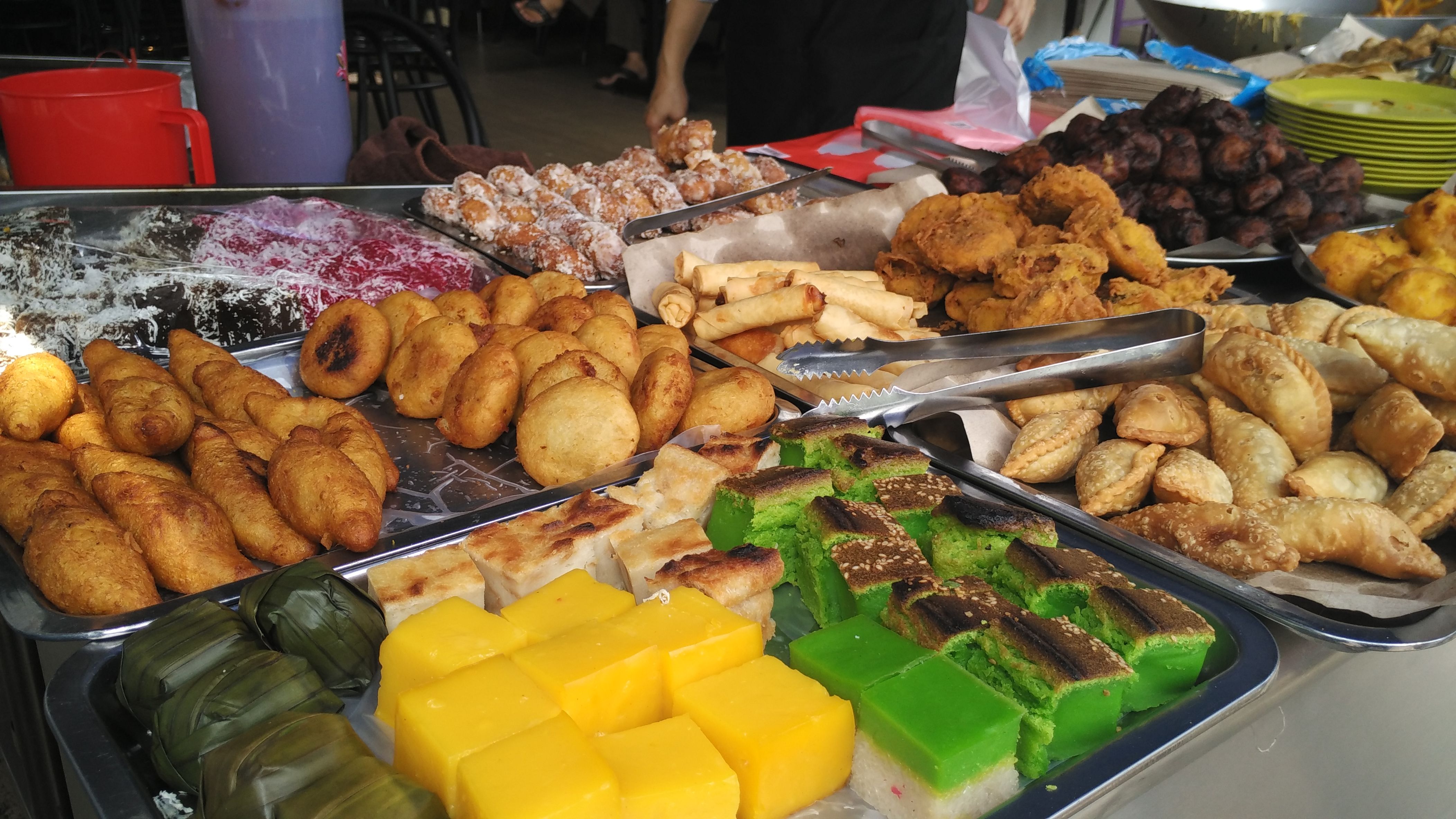
9. Gorengan — Indonesia's Favorite Fried Snacks
Gorengan refers to a wide variety of fried snacks commonly sold by street vendors.
Popular examples include:
- Pisang Goreng: Fried bananas.
- Tahu Isi: Fried tofu with a savory filling.
- Tempe Goreng: Fried fermented soybean cakes.
- Bakwan: Fried vegetable fritters.
Gorengan is commonly eaten as an afternoon snack, sometimes accompanied by fresh chili or dipping sauce.
Tips for Eating Indonesian Street Food
Trying street food can be one of the highlights of an Indonesia trip.
To make the experience more comfortable, consider these practical tips.
1. Choose vendors with good food-handling practices.
Look for stalls that prepare food fresh, protect ingredients from contamination, and maintain a clean cooking area.
2. Ask about the spice level.
Indonesian food can be spicy, but the level varies between dishes and vendors.
Useful phrases include:
- Tidak pedas: Not spicy.
- Sedikit pedas: A little spicy.
- Tanpa sambal: Without chili sauce.
3. Check ingredients if you have dietary restrictions.
Some dishes contain peanuts, seafood, eggs, soy, or other common allergens.
Ask the vendor before ordering if you have allergies or specific dietary requirements.
4. Try regional specialties.
Different regions have their own signature dishes. Exploring local specialties is one of the best ways to understand Indonesia's food culture.
How to Pay for Street Food in Indonesia
Street-food vendors in Indonesia offer different payment options depending on their location and business setup.
Cash remains useful, especially at traditional markets and small roadside stalls.
However, some vendors also accept QRIS, Indonesia's standardized QR payment system.
For travelers, here are a few payment tips:
- Carry small amounts of Indonesian rupiah for cash purchases.
- Check whether the vendor displays an accepted QRIS payment code.
- Confirm the price before paying.
- Verify the merchant name and transaction amount when making digital payments.
Eligible travelers may be able to use DANA for supported QRIS payments at participating street-food vendors.
However, QRIS and DANA availability depend on the merchant, account eligibility, and supported payment features.
You can learn more in Can Tourists Use QRIS in Indonesia?.
Use DANA QRIS Where Accepted
Exploring Indonesian street food is a delicious way to experience the country's culture.
From grilled satay and nasi goreng to pempek and sweet martabak, every dish offers a different combination of flavors and traditions.
When purchasing food from participating vendors, eligible visitors can use DANA for supported QRIS payments where accepted.
Remember to keep cash as a backup, particularly when exploring smaller traditional markets.
Discover Indonesia's street-food favorites and use DANA QRIS at participating vendors where available.