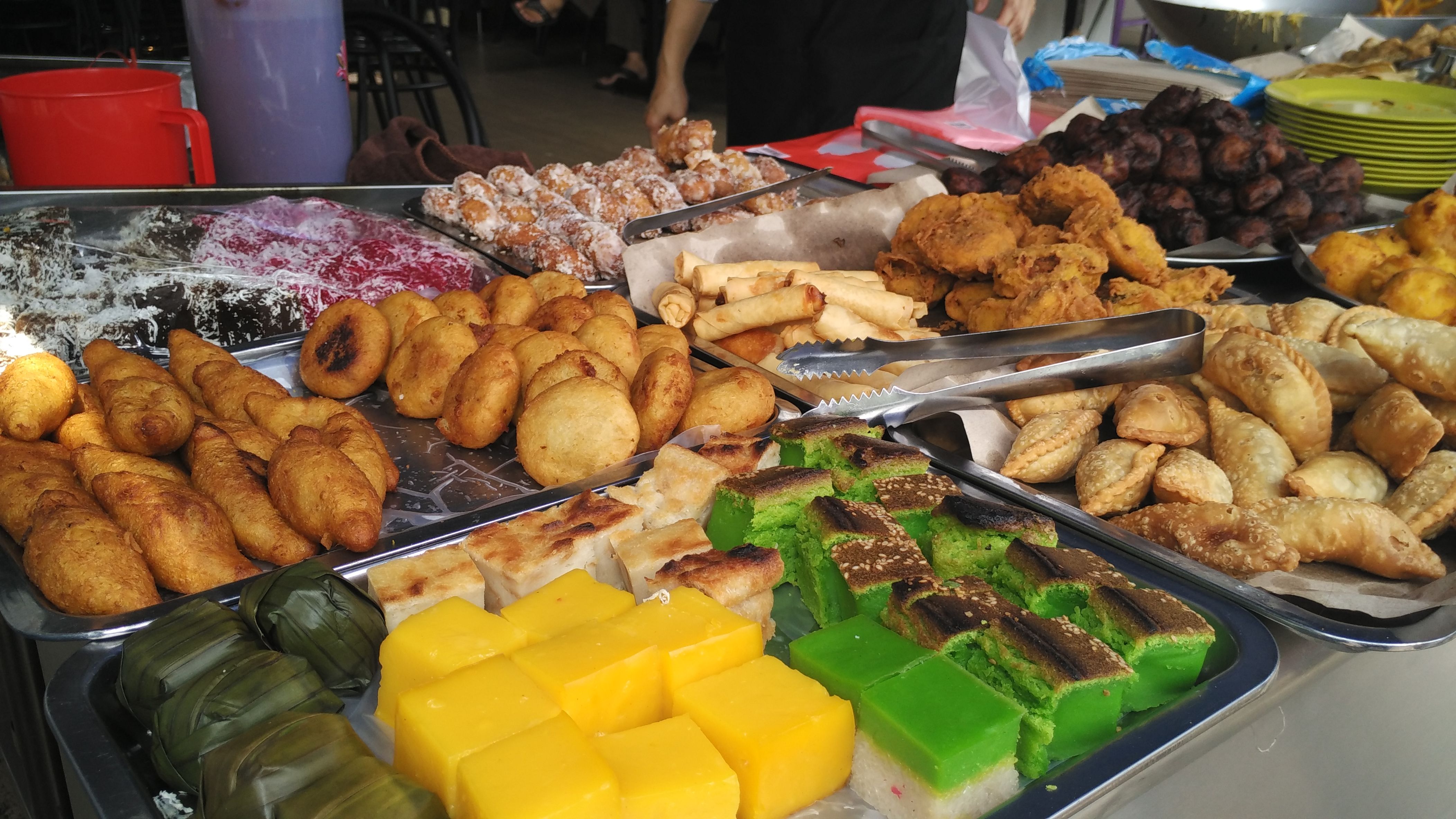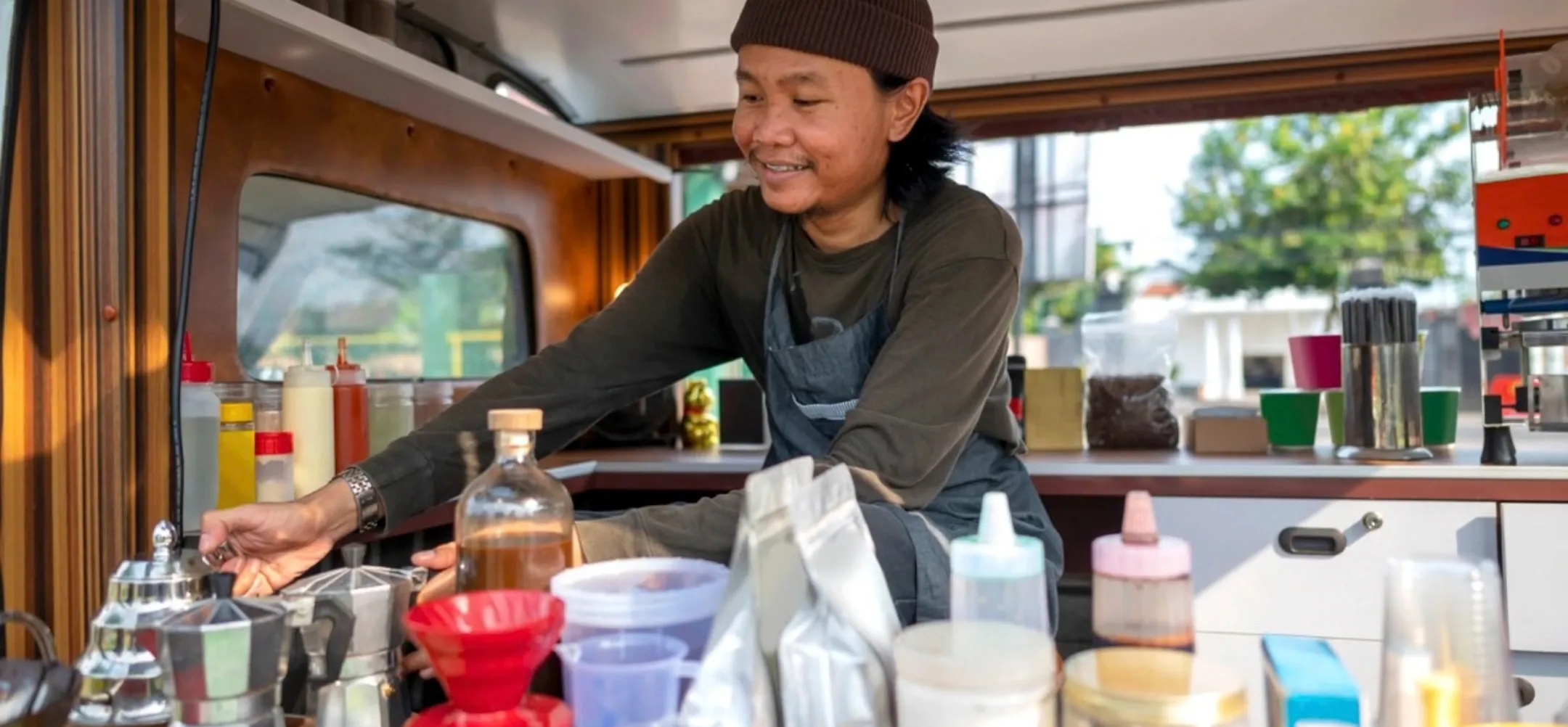
Trying food at a local warung is one of the easiest ways to experience everyday food culture in Indonesia. Unlike restaurants with formal menus and table service, warungs are usually more casual, with simple dishes, local ingredients, and a straightforward way of ordering and paying.
If you are visiting Indonesia for the first time, knowing how to order food, ask about prices, and pay at a warung can make the experience much more comfortable. Here is a simple guide to help you enjoy local food with confidence.
What Is a Warung in Indonesia?
A warung is a small local food business that usually serves affordable meals, snacks, or drinks. Some warungs specialize in particular dishes, while others offer a selection of everyday Indonesian food.
You may find warungs in residential neighborhoods, near tourist areas, along local streets, or close to markets and beaches. The setup can range from a few tables and chairs to a small shop with food displayed behind a counter.
The experience is generally more casual than dining at a full service restaurant. Depending on the warung, you may order directly from the person serving the food, choose from dishes on display, or point to what you would like to eat.
How to Order Food at a Warung
Ordering at a warung is usually simple, even if you do not speak Indonesian. Many popular warungs in tourist areas may have an English menu or staff who can communicate in basic English, but this is not always the case.
Here are a few ways to make ordering easier:
1. Look at the menu or food display
Some warungs have a printed menu, while others display prepared dishes at the counter. Take a moment to see what is available before ordering.
2. Ask about the price
If the price is not clearly displayed, it is perfectly reasonable to ask before ordering. You can say, “Berapa?”, which means “How much?” For a specific dish, you can also ask, “Berapa harganya?” or simply show the item and ask for the price.
3. Say what you want
Once you have decided, tell the staff what you would like. You can also point at the food if there is a language barrier.
For example:
- Nasi goreng = fried rice
- Mie goreng = fried noodles
- Ayam = chicken
- Telur = egg
- Es teh = iced tea
- Air mineral = bottled mineral water If you do not want something spicy, say “Tidak pedas”, meaning “not spicy.” If you can handle some spice but prefer less, “Sedikit pedas” means “a little spicy.”
Read also: How to Pay in Indonesia Without a Card: A Traveler’s Guide
4. Check whether there are additional items
Some warungs serve side dishes, sambal, crackers, or drinks separately. If something is brought to your table that you did not specifically order, ask whether it is included or charged separately before consuming it.
How Does Payment Usually Work at a Warung?
Payment at an Indonesian warung is generally straightforward. The exact process depends on the business, but cash and digital payments are both commonly used. At some warungs, you pay after finishing your meal. The staff may calculate your total based on what you ordered and tell you the amount. At others, especially self-service or counter-style warungs, you may pay when ordering. If you are unsure, simply ask “Bayar di mana?”, which means “Where do I pay?”
Paying with Cash
Cash is still useful when visiting local warungs, particularly smaller businesses or those outside busy tourist areas. Indonesian rupiah (IDR) is the local currency, so it is a good idea to carry some smaller denominations. Before handing over your money, check the total and count your change afterward. If you are unsure of the amount, you can ask the staff to confirm it.
Paying Digitally
Some warungs also accept digital payments through QRIS, Indonesia's national QR payment standard. Look for a QRIS code displayed near the cashier, counter, or table. If the warung supports QRIS and your payment method is compatible, you can scan the QR code and complete the transaction digitally. Because payment options vary from one warung to another, it is still useful to have some cash as a backup.
Simple Warung Etiquette for Tourists
Warungs are generally casual places, but a few simple habits can make your experience smoother and more respectful.
- Greet the staff politely. A simple “Halo” or “Selamat pagi” is a friendly way to start.
- Ask before taking photos. This is especially important if you want to photograph the staff, kitchen, or other customers.
- Be patient during busy periods. Small warungs may have only a few people preparing and serving food.
- Keep your table tidy. Dispose of trash properly and leave used dishes where the staff indicates.
- Ask before assuming something is free. This can include bottled water, side dishes, sauces, or other items.
- Respect local customs. Some warungs may have specific seating arrangements or practices, particularly those connected to a family home or local community. You do not need to know every Indonesian custom to enjoy a local meal. Being polite, observant, and willing to ask questions is usually enough.
Pay at QRIS Supported Warungs with DANA
If you prefer cashless payments, DANA can be used at participating merchants that accept QRIS, including eligible warungs displaying a QRIS code. To pay, open the DANA app, use the QR payment feature to scan the merchant's QRIS code, check the merchant name and payment amount, then confirm the transaction.
Before completing the payment, make sure the amount shown in the app matches your bill. Keep the payment confirmation until you have finished your meal and left the warung. QRIS availability can vary between businesses, so it is still a good idea to carry some Indonesian rupiah when exploring smaller local food spots.
Frequently Asked Questions
Do warungs in Indonesia accept cash?
Yes. Cash is commonly used at warungs, particularly smaller local businesses. Carrying some Indonesian rupiah in smaller denominations can be useful, especially when visiting areas where digital payment options may be limited.
Can tourists pay with QRIS at a warung?
Tourists may be able to pay at a QRIS-supported warung if their payment method supports QRIS payments. However, compatibility can depend on the payment service and the type of QRIS transaction available at the merchant.
Is food at a warung usually spicy?
Not necessarily. Indonesian food can range from mild to very spicy, and many dishes are served with sambal separately. If you prefer mild food, ask for “tidak pedas” or check with the staff before ordering.
Can I use DANA to pay at a warung?
You can use DANA to pay at participating warungs that accept QRIS and support the relevant DANA payment method. Simply scan the merchant's QRIS code through the DANA app, check the payment details, and confirm the transaction.