Moving to Indonesia as an expat comes with exciting opportunities, from experiencing a new culture and lifestyle to enjoying a lower cost of living in many areas. However, managing monthly payments in a new country can take some adjustment.
Unlike short term visitors, expats living in Indonesia need to handle recurring expenses such as rent, electricity, internet, transportation, groceries, and other daily costs. Understanding how to pay bills in Indonesia and choosing the right payment methods can make managing finances much easier.
Today, expats can choose from several payment options, including bank transfers, cash, cards, and digital wallets. With the growth of cashless payments in Indonesia, digital payment apps like DANA are becoming a convenient solution for handling everyday transactions.
What Monthly Payments Do Expats Need to Manage in Indonesia?
For foreigners living in Indonesia, managing monthly expenses is an important part of adapting to everyday life. While costs can vary depending on lifestyle, location, and personal preferences, most expats need to handle several recurring payments each month, including housing, utilities, transportation, and daily expenses.
Rent and Housing Payments
Housing is often one of the biggest monthly expenses for expats in Indonesia. Whether renting an apartment, villa, or house, payment methods usually depend on the agreement between the tenant and property owner.
Many landlords prefer bank transfers because they provide a clear payment record, especially for long-term rental agreements. However, some rental arrangements may still involve cash payments or other available digital payment options.
Utilities and Internet Bills
Beyond rent, expats also need to manage regular household expenses such as electricity, water, internet, and mobile phone bills.
Many service providers now offer online payment options, allowing residents to pay bills digitally without needing to visit physical payment locations. Using digital payment methods can help expats keep track of recurring expenses and avoid missing payment deadlines.
Transportation Expenses
Transportation is another regular expense for expats, especially those living in busy areas such as Bali or Jakarta. Monthly transportation costs may include ride hailing services, fuel, parking, vehicle maintenance, or public transportation.
For everyday travel, cashless payments can be a convenient option. Digital payment methods allow expats to quickly pay for transportation services without needing to carry cash for every transaction.
Groceries and Daily Expenses
Daily spending is another important part of managing finances while living in Indonesia. From buying groceries and dining at restaurants to shopping, entertainment, and personal services, these smaller transactions can add up throughout the month.
As more businesses across Indonesia adopt cashless payment systems, expats now have more convenient ways to manage everyday purchases. Digital wallets and QR payments can be especially useful for daily expenses, allowing residents to pay easily at cafes, restaurants, and local businesses.
How to Choose the Right Payment Method for Each Expense
There is no single payment method that works best for every situation in Indonesia. Most expats use a combination of different options depending on the type of expense, the location, and the payment options available.
Bank Transfers for Larger Monthly Payments
For bigger expenses such as rent, long term contracts, or business- elated payments, bank transfers are often the preferred option. They are widely accepted and provide a clear transaction record, making them easier to track for recurring monthly expenses.
Expats who open an Indonesian bank account may find local transfers more convenient, especially when managing regular payments such as housing or other long-term commitments.
Cash for Small Everyday Transactions
Although Indonesia is becoming increasingly cashless, cash is still an important payment method for many everyday situations. Small businesses, local markets, street food vendors, parking services, and some local providers may still prefer cash payments.
Keeping some Indonesian Rupiah available is recommended, especially when visiting smaller businesses or areas where digital payment options may be limited.
Cards for Larger Purchases
Debit and credit cards are useful for larger purchases and payments at established businesses, including hotels, shopping malls, international restaurants, and online services.
However, card acceptance can vary, especially among smaller local merchants. For daily expenses, many expats find that combining cards with cash and digital payment options provides more flexibility.
Digital Wallets for Everyday Payments
Digital wallets are becoming an increasingly popular payment method for expats living in Indonesia. They offer a convenient way to handle everyday transactions without constantly carrying cash.
From QR payments at cafés and restaurants to online services, shopping, and transportation, digital wallets can simplify many daily expenses. For expats who want a practical cashless payment solution, using a digital wallet like DANA can make managing everyday purchases easier while living in Indonesia.
Learn more about digital payment options for foreigners: Can Foreigners Use Digital Wallets in Indonesia?
Can Expats Use DANA for Monthly Payments?
Yes, expats living in Indonesia can use DANA as part of their daily payment setup, depending on account eligibility and available features.
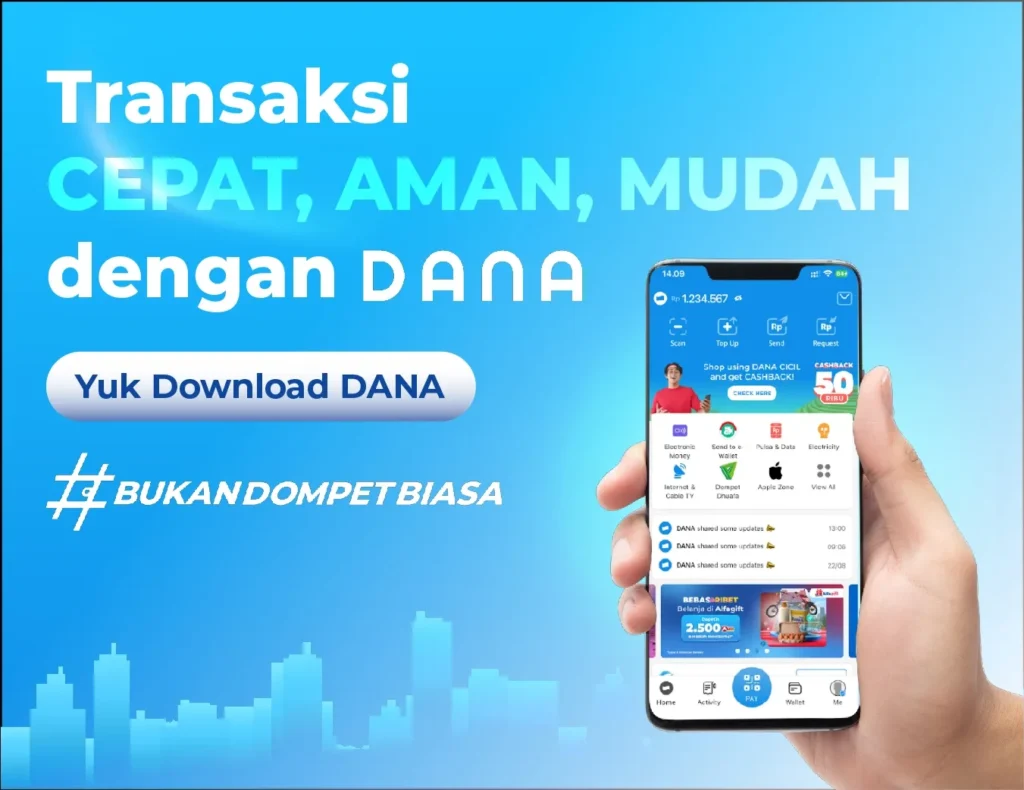
As one of Indonesia’s digital wallet platforms, DANA helps users make cashless payments for everyday expenses. For expats, it can be useful for managing smaller and recurring daily payments without always relying on cash. With DANA, you can use digital payments for:
- QRIS payments at restaurants, cafes, and local businesses
- Shopping at participating merchants
- Paying for everyday services
- Managing daily expenses through a cashless system
For foreigners who are adapting to life in Indonesia, having a digital wallet can make everyday transactions simpler and more convenient.
How to Set Up DANA as an Expat
Setting up a digital wallet in a new country may seem complicated, but the process is designed to be straightforward. Here is step by step of how to set up DANA for foreigners:
1. Download the DANA App
Download the official DANA application and register an account.
2. Complete Account Registration
Provide the required information and follow the verification process.
3. Connect Available Payment Methods
Depending on eligibility, users may be able to connect supported payment methods to add funds and make transactions.
4. Start Using Digital Payments
Once set up, expats can use DANA for QRIS payments and other available digital payment features.
For more information about payment options for foreigners in Indonesia, read: Indonesia Payment Method Guide for Foreigners
Tips for Expats Managing Monthly Payments in Indonesia
Keep Multiple Payment Options Available.
While digital payments are growing quickly, it is still useful to have a combination of: Indonesian Rupiah (IDR) cash, credit or debit card, and digital wallet. This ensures you can pay regardless of the situation.
Track Regular Expenses
Keeping track of monthly payments can help expats understand their spending habits and manage living expenses more effectively.
Understand Local Payment Habits
Payment preferences can vary depending on location. Large cities and tourist areas may have more digital payment options, while smaller local businesses may still prefer cash.
Making Monthly Payments Easier as an Expat in Indonesia
Managing payments in a new country does not have to be complicated. By understanding local payment methods and choosing the right option for each expense, expats can make daily life in Indonesia much smoother.
For larger expenses like rent, bank transfers may be the most practical choice. For smaller daily purchases, cashless payments through digital wallets like DANA can provide a faster and more convenient experience. With the right payment setup, expats can spend less time worrying about transactions and focus more on enjoying life in Indonesia.